
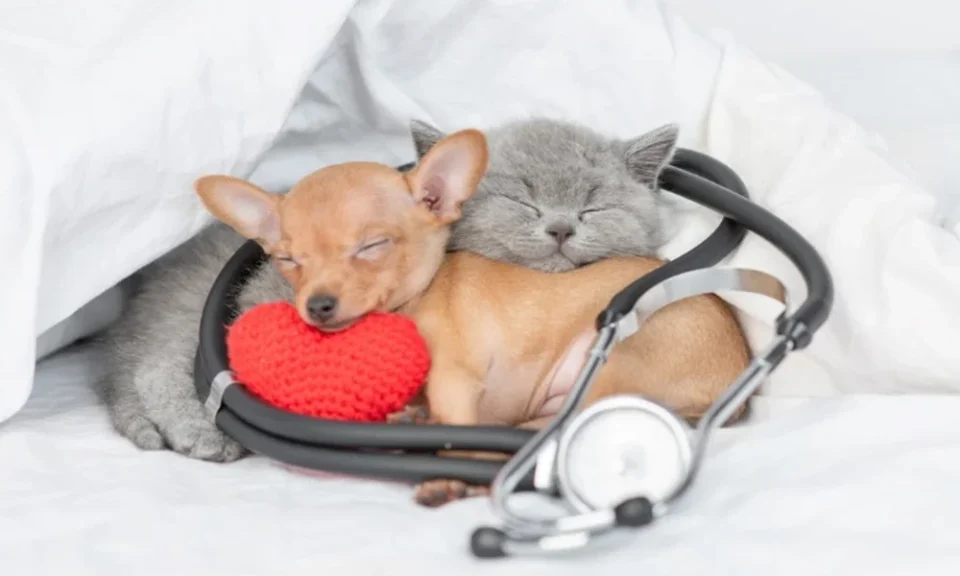
The most common dog and cat health issues are dental disease, obesity, ear or urinary infections, allergies, and age-related conditions like arthritis or kidney disease. These problems show up across breeds and ages, though risk levels shift as pets get older.
Dogs and cats share several health risks because both are prone to weight gain, plaque buildup, and parasites. Where they differ is in organ vulnerability – dogs lean toward joint and skin issues, cats toward kidney and urinary tract disease.
Most of these conditions are manageable or preventable with regular vet visits. The challenge is that pets hide pain well, so owners often miss early signs.
Top Dog Health Issues Owners Should Watch For
Dogs most commonly deal with dental disease, obesity, ear infections, skin allergies, and joint problems like arthritis. These conditions account for the majority of veterinary visits reported by pet insurers and animal hospitals (Nationwide Pet Insurance, 2023).
· Dental disease: Plaque buildup affects most dogs by age three and can lead to tooth loss or infection if untreated.
· Obesity: Excess weight strains joints and raises the risk of diabetes and heart disease.
· Ear infections: Common in floppy-eared breeds like Cocker Spaniels and Basset Hounds due to poor airflow in the ear canal.
· Skin allergies: Triggered by food, fleas, or environmental factors, showing up as itching, redness, or hot spots.
· Arthritis: Affects roughly one in five adult dogs, with higher rates in large breeds and senior dogs (American Animal Hospital Association, 2022).
Large breeds like Labradors and German Shepherds face higher rates of hip dysplasia. Small breeds like Chihuahuas and Yorkies are more prone to dental crowding and luxating patella.
Details: Dog Health Issues
Top Cat Health Issues Owners Should Watch For
Cats most commonly develop dental disease, obesity, chronic kidney disease, urinary tract problems, and hyperthyroidism. Kidney disease alone affects an estimated 30-40% of cats over age 10 (International Cat Care, 2023).
· Chronic kidney disease: One of the leading causes of death in senior cats, often developing silently for years.
· Urinary tract disease: Includes bladder stones and feline lower urinary tract disease (FLUTD), more common in male cats.
· Obesity: Indoor cats with limited activity face higher obesity risk, which increases diabetes risk significantly.
· Hyperthyroidism: An overactive thyroid gland common in cats over age 10, causing weight loss despite increased appetite.
· Dental disease: Includes gum disease and tooth resorption, a painful condition unique to cats where the tooth structure breaks down.
Cats are also skilled at masking illness. A cat that stops using the litter box or hides more than usual is often signaling pain, not just a behavior change.
Details: Cat Health Issues
Warning Signs That Mean a Vet Visit Is Needed
The clearest warning signs in dogs and cats are sudden changes in appetite, water intake, energy, or bathroom habits. Any of these on their own can be minor, but two or more together usually mean it is time to call the vet.
· Appetite changes: Refusing food for more than a day, or sudden overeating with weight loss.
· Water intake changes: Drinking noticeably more or less than usual, which often signals kidney or thyroid problems.
· Energy drop: Lethargy, reluctance to move, or hiding more than normal.
· Bathroom changes: Straining to urinate, blood in urine, or litter box avoidance in cats.
· Breathing changes: Rapid, labored, or noisy breathing at rest.
Cats especially will hide symptoms until a condition is advanced. A same-day vet call is worth it for any sudden behavior shift rather than waiting to see if it passes.
How to Prevent Common Health Issues in Dogs and Cats
Most common dog and cat health issues are preventable through regular vet checkups, weight management, and dental care. Prevention costs far less than treating an advanced condition.
· Schedule annual checkups: Twice yearly for pets over age seven, since many conditions progress faster in senior pets.
· Manage weight: Measure food portions instead of free-feeding, and factor treats into daily calorie totals.
· Brush teeth regularly: Aim for a few times a week using pet-safe toothpaste, plus professional cleanings as your vet recommends.
· Keep parasite prevention current: Monthly flea, tick, and heartworm prevention reduces disease risk in both species.
· Watch water intake in cats: Adding wet food or a water fountain supports kidney health and reduces urinary blockages.
Pet insurance or a dedicated savings fund also helps. Unexpected vet bills are the top reason owners delay care until a condition becomes an emergency.
Common Mistakes Pet Owners Make With Pet Health Care
The biggest mistake owners make is waiting for obvious symptoms before seeing a vet, when many diseases in dogs and cats progress silently. By the time symptoms show, the condition is often advanced.
· Skipping annual exams once a pet seems healthy: Bloodwork catches kidney and thyroid issues years before symptoms appear.
· Free-feeding without portion control: This is the single largest driver of pet obesity in the US.
· Ignoring dental care: Owners often assume bad breath is normal, when it usually signals disease.
· Assuming indoor cats don’t need checkups: Indoor cats still develop kidney disease, obesity, and dental problems at similar rates to outdoor cats.
Fixing these habits early is cheaper and less stressful than managing a chronic condition later.
Key Takeaways
· Dental disease and obesity are the most common health issues in both dogs and cats.
· Dogs face higher rates of joint and skin conditions, while cats are more prone to kidney and urinary tract disease.
· Sudden changes in appetite, water intake, or bathroom habits are the most reliable early warning signs.
· Annual vet checkups, portion control, and dental care prevent most common conditions before they become serious.
