
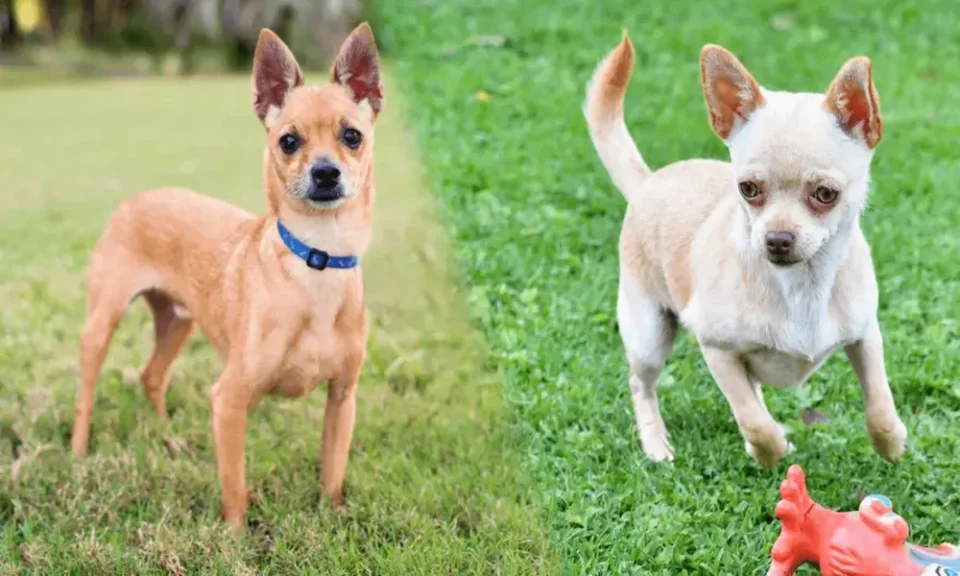
There is a stubborn myth that small dogs are naturally yappy, nippy, and anxious – as though anything under ten pounds comes pre-wired with a nervous disposition. It is one of the most unfair generalizations in the dog world. A dog’s size does not dictate its personality. What shapes a toy breed’s character is the same thing that shapes every dog’s character: its environment, its early upbringing, and the consistency of the humans around it.
The real problem is that many toy breeds are treated like stuffed animals or accessories rather than actual dogs. They are carried everywhere, shielded from every noise, and rarely given the chance to problem-solve on their own four paws. That well-meaning coddling inadvertently breeds the exact anxiety, reactivity, and fearfulness people complain about. Whether you are actively looking to bring home a toy companion from a reputable Chihuahua breeder or you are currently raising a tiny pup at home, understanding their unique psychological needs changes everything. The good news: confident, well-adjusted small dogs are not born lucky – they are raised on purpose.
Early Socialization: Why the First 8 Weeks Matter Most
A puppy’s brain is most moldable between three and sixteen weeks of age, and the work that happens in that window – particularly the first eight weeks, before the puppy even leaves the whelping box – sets the trajectory for the rest of its life. This is not opinion; it is well-documented canine behavioral science.
One of the most impactful tools a breeder or foster can use during this window is Early Neurological Stimulation (ENS), sometimes called the Bio Sensor program. Developed by the U.S. military for working-dog programs, ENS involves brief, gentle exercises – holding a puppy in different positions, placing it on a cool surface, tickling between the toes with a Q-tip – for just three to five seconds per day between days three and sixteen. Research suggests puppies exposed to ENS mature into dogs with stronger stress tolerance, better cardiovascular performance, and greater curiosity than their non-stimulated littermates. The stimulation is tiny; the payoff is measurable.
But ENS is only the beginning. Good socialization means deliberate, positive exposure to the everyday world: household sounds, different people, other vaccinated animals, and varied surfaces. A puppy that has walked on tile, carpet, grass, and gravel before eight weeks is far less likely to freeze on a new floor at twelve weeks. One that has heard doorbells, vacuums, and distant fireworks in a safe context learns those sounds are not threats.
If you are choosing a breeder or evaluating a shelter, ask specifically about their socialization protocol. Look for programs that prioritize active sound desensitization and surface training in those early weeks, not just “raised in our home.” A home environment matters, but intentional exposure is what actually builds a resilient dog.
Ditching the Purse: Treating Small Dogs Like Big Dogs
Here is a scenario every toy-breed owner recognizes: you are walking down the street, a larger dog approaches, and your instinct is to scoop your four-pound companion off the sidewalk and hold them to your chest. It feels protective. It feels loving. It is also one of the fastest ways to teach your small dog that other dogs are dangerous and that you – not they – are responsible for their safety.
Every time you lift a small dog away from a benign situation, you communicate two things: “this is scary” and “you cannot handle it.” The puppy learns to look to you for elevation and rescue instead of reading the other dog’s body language and deciding for itself. Over time, that learned helplessness hardens into the reactivity, trembling, and defensive barking that gets small dogs labeled “yappy.” The behavior was not inherited; it was installed, one well-meaning scoop at a time.
Letting a small dog walk on its own four paws – on the ground, at its own pace, making its own choices about approaching or retreating from new situations – is how structural confidence is built. Confidence is not about boldness; it is about a dog trusting its own assessment of the world. That trust only develops through practice, and practice requires paws on the ground.
This principle extends to discipline and routine, too. Small dogs thrive on the same clear boundaries, consistent cues, and structured expectations that produce well-behaved larger breeds. The rules are not different because the dog is shorter. Breeders who strictly focus on producing healthy, structurally sound apple head Chihuahua puppies emphasize that treating a toy breed with the same discipline as a larger breed prevents behavioral issues down the road. A Chihuahua that is taught sit, stay, and loose-leash walking with the same consistency as a Labrador grows into a dog that is a pleasure to live with – not a ten-pound tyrant running the household.
The mindset shift is simple: carry less, train more, and let the dog be a dog. Your Chihuahua does not need a purse. It needs a plan.
Nutritional Nuances of the Tiny Canine
Small dogs are not just scaled-down versions of big dogs when it comes to metabolism. A toy breed’s resting heart rate is faster, its body temperature runs slightly higher, and its stomach is tiny – which means food moves through quickly and blood sugar can crash between meals with startling speed.
This matters most in puppies under three pounds, where hypoglycemia (low blood sugar) is a genuine medical risk rather than an abstract concern. A toy puppy that goes too long without eating can become lethargic, shaky, or even seize. The prevention is straightforward: feed small, nutrient-dense meals three to four times a day rather than one or two large ones, keep high-value treats on hand for long outings, and never let a young toy puppy skip a meal. Free-feeding works well for some households; scheduled, portioned meals work better for monitoring intake.
Choose a kibble or formula sized for small mouths – tiny kibble is easier for a Chihuahua to chew and digest – and prioritize protein quality. A toy dog’s lean muscle mass protects its joints and metabolism, and protein is what maintains it. Talk to your veterinarian about caloric needs specific to your dog’s weight and activity level, and adjust as they grow.
Conclusion & Actionable Takeaway
Small dogs are not fragile decorations. When they are given early socialization, consistent structure, the freedom to navigate the world on their own paws, and nutrition that respects their fast metabolism, they develop into the bold, balanced, deeply loyal companions that make people fall in love with toy breeds in the first place. The “yappy little dog” stereotype is not a breed trait – it is a raising gap, and it is entirely preventable.
So tell us: what is the biggest personality quirk your small dog has? Drop it in the comments – we read every one.
