
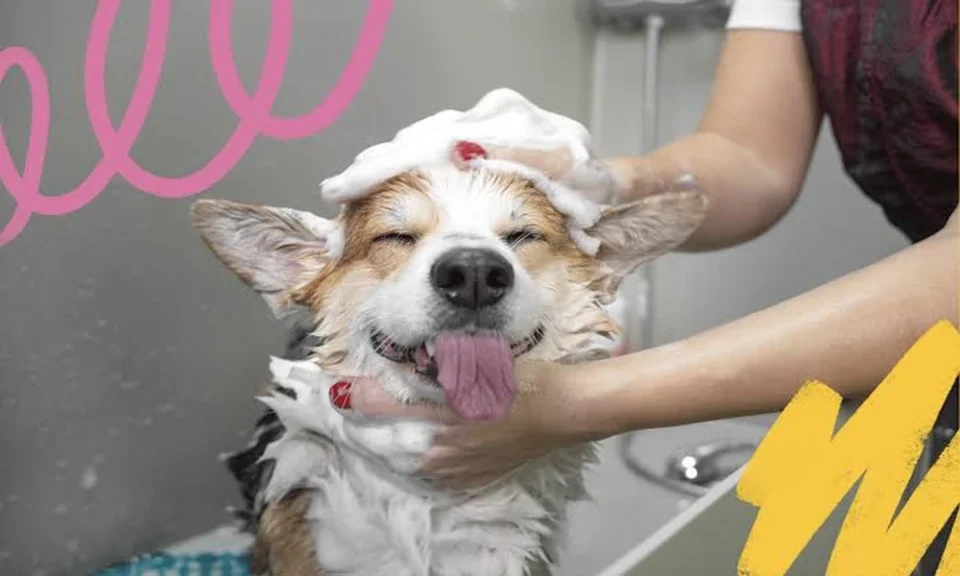
A grooming appointment might seem like a simple part of pet care, but for some dogs, it can become an overwhelming experience. Unfamiliar sounds, new people, grooming equipment, and physical handling can trigger anxiety, especially in dogs that are naturally sensitive or have experienced stressful grooming sessions before. Choosing a salon that understands canine behavior and prioritizes emotional comfort can make a significant difference in how dogs respond to grooming.
Professional grooming should involve more than maintaining a dog’s appearance. A thoughtful approach considers the animal’s temperament, physical needs, and emotional well-being throughout the appointment.
What Causes Grooming Anxiety in Dogs
Dogs experience grooming anxiety for several reasons. Some become nervous around loud dryers, electric clippers, or unfamiliar surroundings. Others dislike having their paws touched, ears cleaned, or coats brushed, particularly when they have sensitive skin or painful mats.
Previous negative experiences can also influence a dog’s behavior. If grooming has involved uncomfortable handling or frightening situations, the dog may associate future appointments with stress. Even puppies attending their first grooming session can feel overwhelmed by unfamiliar sensations.
Recognizing these triggers helps owners choose grooming services that accommodate their dog’s individual needs rather than expecting every animal to respond identically.
Recognizing Signs of Stress Before Grooming
Grooming anxiety does not always involve aggressive behavior or obvious resistance. Some dogs communicate discomfort through subtle body language that owners might overlook.
Excessive panting, trembling, repeated yawning, tucked tails, and attempts to escape can indicate nervousness. Other dogs become unusually quiet, freeze during handling, or refuse treats they would normally enjoy.
Understanding these signals allows owners to communicate important information to groomers before an appointment. Sharing details about previous experiences, sensitive areas, and behavioral concerns can help professionals develop a more comfortable grooming approach.
Choosing a Grooming Salon That Understands Canine Behavior
Selecting the right grooming salon requires looking beyond pricing, convenience, and available services. A suitable environment should prioritize patient handling, clear communication, and individualized attention.
Pet owners searching for the best dog groomer in San Diego should consider how salons accommodate nervous dogs and whether staff members are experienced in recognizing signs of stress.
A responsible groomer should be willing to discuss a dog’s temperament before beginning the session. Asking about appointment duration, handling techniques, rest breaks, and the grooming environment can provide valuable insight into the salon’s approach.
Facilities that maintain clean workspaces, provide secure grooming stations, and carefully supervise animals can also contribute to a safer experience.
Gentle Handling Makes a Meaningful Difference
The way grooming professionals interact with dogs can influence their comfort throughout an appointment. Gentle handling involves allowing animals time to adjust, avoiding unnecessary restraint, and responding appropriately when signs of distress appear.
For particularly anxious dogs, shorter grooming sessions may be more manageable than completing every service during one appointment. Gradually introducing brushing, bathing, nail trimming, and drying can help build familiarity.
Positive reinforcement through praise and appropriate treats may also encourage cooperation. However, dogs showing severe fear should not be forced through procedures simply to finish the appointment.
Preparing Your Dog for a More Comfortable Appointment
Owners can support successful grooming experiences through simple preparation at home. Regular brushing, gentle paw handling, and introducing grooming tools gradually can make professional appointments feel less unfamiliar.
Creating positive associations is particularly important for puppies. Brief practice sessions followed by rewards can help dogs become comfortable with routine handling before visiting a salon.
Maintaining a consistent grooming schedule may also reduce discomfort caused by tangled coats, overgrown nails, or accumulated dirt. When grooming becomes predictable and manageable, some dogs gradually develop greater confidence.
Communication Between Groomers and Pet Owners
Effective communication is essential when managing grooming anxiety. Owners should inform groomers about medical conditions, behavioral sensitivities, previous injuries, and any situations that have caused distress.
Similarly, grooming professionals should explain how the dog responded during the appointment and identify procedures that may require additional preparation.
For dogs experiencing persistent or severe anxiety, consulting a veterinarian or qualified canine behavior professional may be necessary before continuing routine grooming.
Conclusion
Grooming anxiety deserves attention because emotional comfort is an important part of responsible pet care. Choosing a salon that values patience, gentle handling, and individualized attention can help reduce unnecessary stress while supporting healthy grooming habits.
By understanding anxiety triggers, preparing dogs gradually, and maintaining open communication with grooming professionals, pet owners can help make grooming appointments safer, calmer, and more positive over time.
