
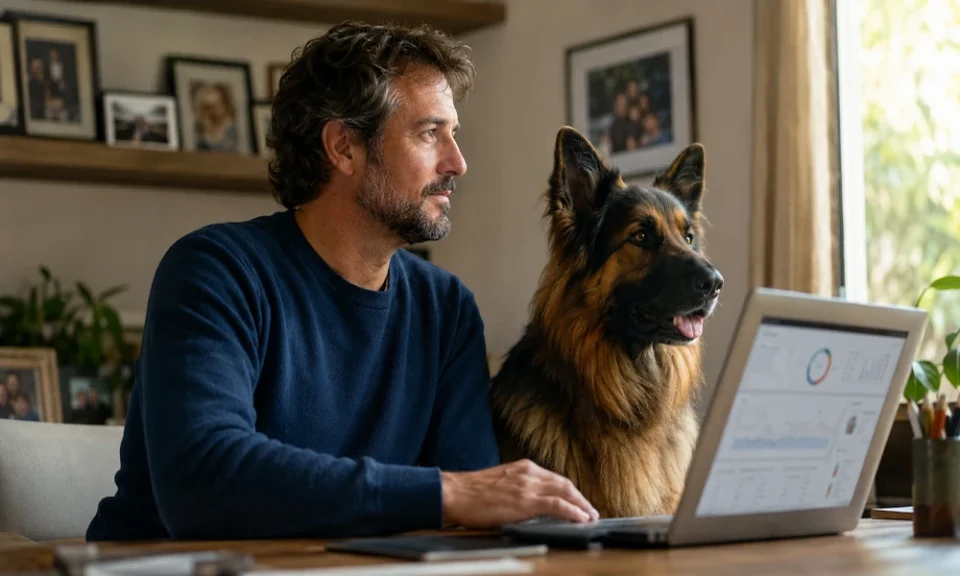
Some losses do not leave you. They change shape, become quieter, and settle into your life. Walter’s loss was like that for me. He was my long-haired German Shepherd: large, gentle, clever, and deeply loved. When epilepsy entered our home, it brought fear, confusion, sleepless nights, and questions I did not know how to answer.
Years later, that pain became the reason I built DogEpiMonitor. I could not change Walter’s story. I could, however, create the kind of support I wished our family had received.
The Day Everything Changed
Walter was about 30 months old when he had his first seizure. He had seemed unwell for several days. Then, one afternoon, he went rigid, fell onto his side, and began convulsing. My young daughter was with me, and neither of us understood what was happening.
I reacted in panic. I tried to hold him down and put my hand near his mouth because I believed he might swallow his tongue. I later learned those actions could have put both of us at risk. Current Cornell University guidance on managing canine seizures advises owners to clear nearby hazards, avoid the dog’s mouth, time the event, and keep a record for the veterinarian.
Walter’s seizures did not stop with that first episode. At times, he experienced several in one day. Our family watched treatments change while the condition continued to take more from him. On June 1, 2014, after back-to-back seizures left him blind, paralyzed, and struggling to breathe, I made the most painful decision a dog owner can face. We let him go.
The Information I Could Never Keep Together
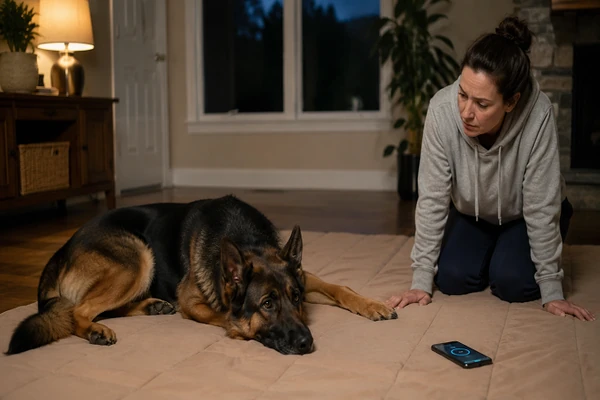
Love was never missing. What was missing was structure. I had notes in different notebooks, medication details written in a hurry, and photos buried on my phone. At each appointment, I tried to rebuild weeks of events from memory. How many seizures had Walter experienced? How long did they last? Had the dose changed before or after a difficult cluster? I could not always answer with confidence.
That uncertainty stayed with me. A veterinarian needs a clear history, but a frightened and exhausted owner may be working from scraps. I wanted one place to record the event while it was fresh, follow medication routines, and prepare useful information for the next appointment. That idea became a dog seizure tracker shaped by lived experience rather than abstract product planning.
Turning Grief Into a Practical Tool
More than a decade after Walter died, I began building the program I had once searched for. The goal was simple: reduce the chaos around recordkeeping so owners could focus on their dogs.
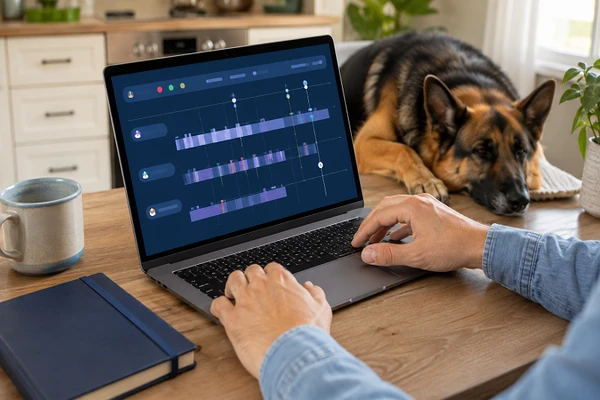
DogEpiMonitor works through a web browser. An owner can log the date, time, duration, and details of an episode; organize medication records and reminders; and keep relevant clinical information in one chronological history. Visual timelines can make changes in frequency or duration easier to notice. Reports can then present those records in a clear PDF for a veterinary visit.
This approach fits a wider movement in veterinary care. The Royal Veterinary College’s canine epilepsy research has explored digital owner-led monitoring as a way to improve day-to-day management and contribute useful information to research. Technology cannot remove the illness, but well-organized observations can support more focused conversations with professionals.
Built for the Person Awake at 3 A.M.
DogEpiMonitor is also built around an emotional truth: epilepsy affects the household as well as the dog. Owners may fear leaving home, miss sleep, or feel helpless while waiting for an episode to end. A clear system cannot erase that fear, but it can replace some uncertainty with a next step.
The story and practical education behind the canine epilepsy monitoring app continue through the DogEpiMonitor blog. The aim is to help owners understand what information to collect, how to prepare for veterinary conversations, and why they are not alone in feeling overwhelmed.
DogEpiMonitor does not diagnose epilepsy, prescribe medication, or replace a veterinarian. It helps owners preserve details that stress can blur and carry those details into professional care.
Walter’s Legacy
I still wish this tool had existed when Walter was alive. It might not have changed the ending, and I will never claim that it would have. But it could have given our family clearer records, better-prepared appointments, and a little more control during frightening nights.
That is the promise behind DogEpiMonitor: to turn one family’s loss into practical support for another. If your dog lives with seizures, explore DogEpiMonitor, begin building a consistent history, and share it with your veterinarian. Walter’s story cannot be rewritten, but his legacy can help other owners face epilepsy with better information and less isolation.
