
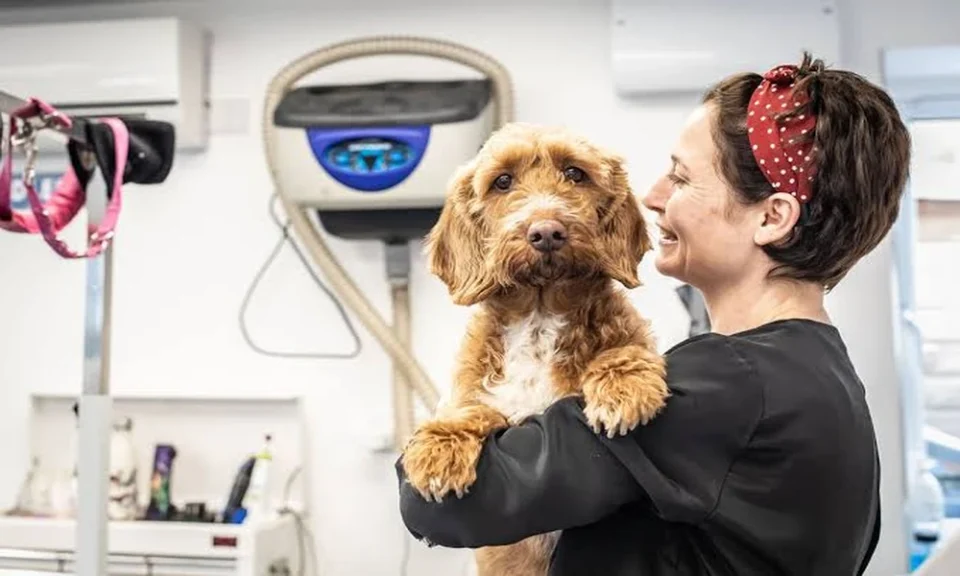
Grooming can be routine for one dog and genuinely stressful for another. Sensitive dogs may react to the sound of clippers, the sensation of water, having their paws handled, being restrained or even stepping into an unfamiliar salon. Some hide, tremble or pant, while others become restless or defensive.
The goal should not simply be to “get the grooming done.” A better approach is to reduce the dog’s fear so future grooming sessions become easier and safer. Here are four practical ways to do that.
Identify the Exact Grooming Trigger
Start by figuring out what your dog actually dislikes. Grooming anxiety is not always about the entire process. A dog may tolerate brushing but panic when its nails are clipped, or accept a bath but become distressed when the blow dryer starts.
Watch your dog’s body language carefully. Lip licking, yawning, turning away, pinned-back ears, trembling, pacing and attempts to escape can indicate increasing stress.
Once you identify the trigger, you can work on that specific part rather than overwhelming your dog with the entire grooming routine at once.
Choose a Groomer Who Understands Fearful Dogs
The groomer’s handling style can make a major difference. Look for someone who is willing to slow down, recognize stress signals and adapt the session rather than forcing your dog through procedures.
For owners searching for professional support, reliable services like Dog Grooming Pleasant Grove can be a useful starting point when looking for grooming services in the area. Before booking, explain your dog’s previous experiences and specific triggers. Ask whether the groomer can accommodate a nervous dog, use breaks and introduce unfamiliar equipment gradually.
Professional grooming standards emphasize monitoring stress levels, recognizing behavioral changes and using calm handling techniques.
Practice Grooming Steps at Home
Don’t wait until appointment day to expose your dog to grooming equipment. Short, controlled sessions at home can change how your dog feels about being handled.
For example, begin by touching a paw for a second, immediately followed by a high-value treat. Once your dog remains relaxed, gradually increase the duration. You can eventually introduce the sight and sound of nail clippers without actually clipping the nails.
The same principle works with brushes and dryers. Let your dog investigate the equipment while it is switched off. For a blow dryer, introduce the sound from a distance before gradually reducing that distance. Desensitization works by starting with an intensity the dog can comfortably handle and increasing the challenge slowly.
Never rush through this process. If your dog stops accepting treats, tries to escape or becomes visibly tense, the exercise has probably become too difficult.
Make Grooming Predictable and Rewarding
Sensitive dogs often cope better when they know what to expect. Keep grooming routines relatively consistent and avoid turning every session into a marathon.
Use rewards strategically rather than only at the end. If your dog associates a particular sound or handling step with something valuable, the emotional meaning of that trigger can gradually change. This technique, known as counterconditioning, pairs the stressful experience with something the dog enjoys.
Keep sessions short enough to finish while your dog is still coping well. One successful nail or a few minutes of calm brushing can be more productive than forcing the dog through an entire routine.
Take Away
Grooming anxiety rarely disappears overnight. Patience, careful observation and gradual exposure can make the experience considerably less stressful. When a dog shows severe fear, attempts to bite or cannot remain below its stress threshold, involve a qualified behavior professional and speak with your veterinarian about appropriate options rather than forcing the grooming session.
