
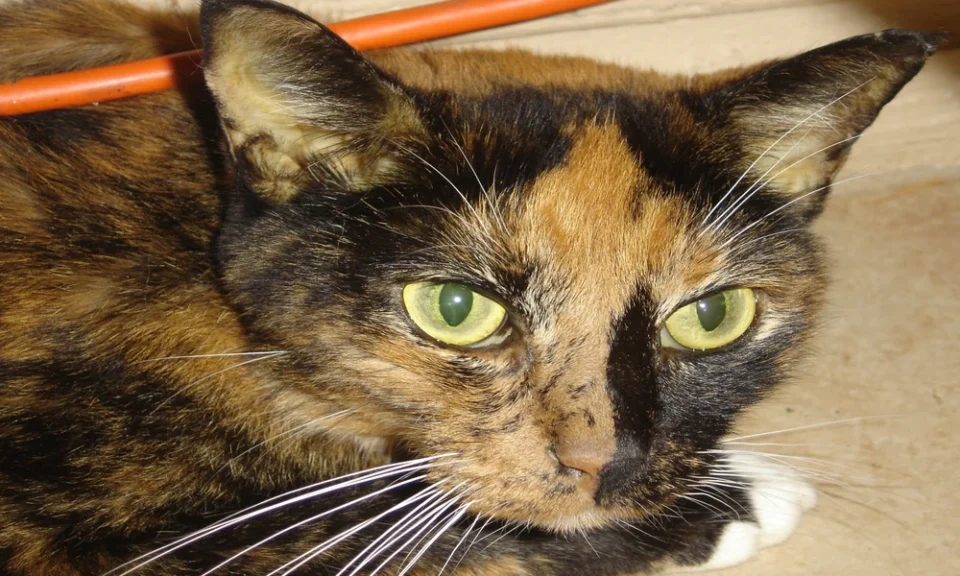
Liver disease in cats is a common condition. It is manageable when spotted early. Providing a cat with the right diet is important after being diagnosed with a liver condition. Protecting the feline liver is as important as how humans protect their liver.
A cat with feline liver disease (โรคตับแมว) must get treatment early to prevent it from getting worse.
Function of the liver in cats
The liver is the largest organ of the pet’s body. It is between the stomach and lungs, which is sensitive to:
- disease
- damage
Thus, it is important to know its functions. A cat’s liver has roles for their health. It produces:
- hormones
- proteins
- glucose
- waste products
- drugs
- toxins
The liver stores useful nutrients, such as:
- vitamins
- iron
- energy
It fights infections by:
- producing immune factors
- removing bacteria from the blood
A properly functioning liver helps your pet’s body digest and absorb fat and other important nutrients. The liver is a metabolic organ that controls chemical processes required for normal bodily function. Thus, protecting the liver means healthy body.
The liver generates substances, such as:
- proteins
- bile
- blood-clotting factors
The liver controls the metabolism and uses food substances, such as:
- fats
- carbohydrates
- proteins
It detoxifies waste substances in the body.
Signs of liver disease
Some signs suggest liver disease, which appear as:
- yellow discoloration of:
- skin
- eyes
- mucous membranes
- ascites
The conditions are accompanied by less specific signs that are variable, including:
- lethargy
- appetite changes
- excessive thirst
- urination
- weight loss
- bleeding disorders
- vomiting
- diarrhea
These are only signs noted in early or mild cases of liver disease.
Liver disease is a serious condition that worsens if left untreated. Meeting a vet is important when you notice some signs, such as:
- Excessive drooling.
- Cats with chronic liver disease
- Acute liver disease
- Very severe liver disease
Diagnoses
The signs are none specific in mild or early cases of liver disease. Further testing is necessary to ensure the condition is clearly a liver disease. The liver is responsible for various metabolic functions. There are different blood and urine laboratory tests to assess liver disease and function.
Any changes in the size of the liver are demonstrated by:
- X rays
- ultrasonography
FAQs
Can cats recover from liver disease?
Cats recover from liver disease when treated immediately.
Is liver disease in cats deadly?
Liver disease in cats is a deadly condition if it leads to:
- acute liver failure
- severe hepatic lipidosis
A cat that stops eating for a few days can cause fat flooding into their liver. This causes a life threatening emergency.
Is performing a liver biopsy necessary for a cat?
A wide range of disorders affect the cat’s liver. This results in abnormal liver tests.
How to perform a liver biopsy?
A small sample of liver tissue is obtained. It uses a biopsy needle through the skin. It is directly into the liver or by exploratory surgery. The veterinarian considers several factors to determine which method is appropriate for your cat. The cat requires heavy sedation or general anesthesia.
How to treat the liver?
The treatment for liver disease depends on its diagnosis. Certain basic and simple supportive measures are useful and it is strongly recommended. Changing the diet is helpful and delays progression of disease. The traditional recommendation is to provide a diet that reduces the work of the liver.
How beneficial is reducing protein intake in cats?
Reducing protein intake is beneficial for some liver problems. The cat requires meat protein in their diet. Dietary restriction of fats in cats is of questionable benefit, since cats also have high dietary fat requirements.
