
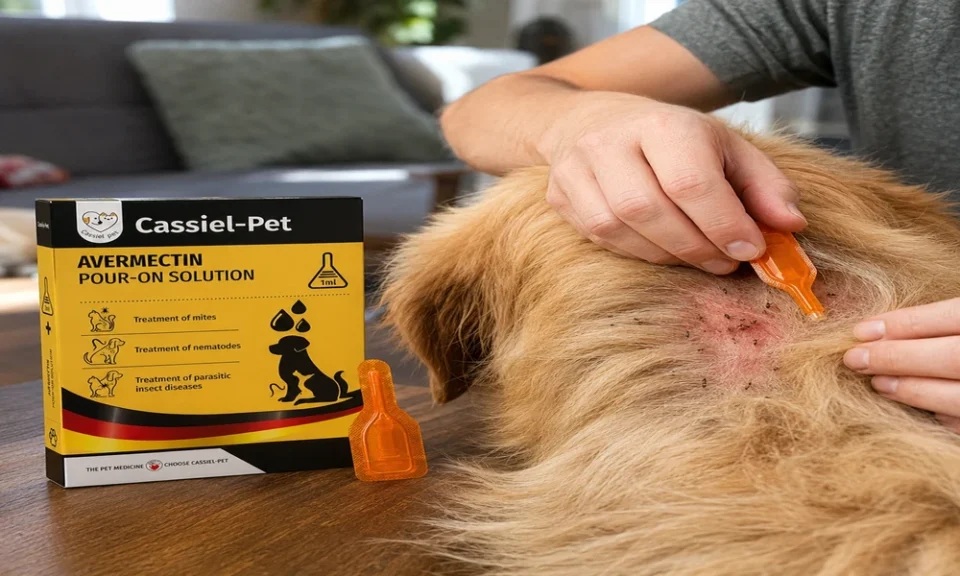
Article Summary: Spot-on treatments are widely used by dog and cat owners because they provide a convenient approach to external parasite care. However, many pet owners are unfamiliar with how topical solutions work, why correct application matters, and how active ingredients are selected for parasite management. This guide explains the basics of spot-on treatments, common considerations before use, and how these solutions fit into a broader flea and tick prevention routine.
Many dog and cat owners are familiar with spot-on treatments, but fewer understand how these topical solutions work and why they have become a common part of modern parasite care routines.
External parasites such as fleas, ticks, and mites can affect pets in different ways depending on their environment, lifestyle, and level of exposure. Because of this, understanding different prevention approaches can help owners make more informed decisions about everyday pet care.
Spot-on treatments are one option that many pet owners consider because they are designed for convenient external application. However, responsible use requires understanding how these products work, how they should be applied, and how they fit into a complete parasite management routine.
What Are Spot-On Treatments?
Spot-on treatments are topical solutions designed to be applied externally to a pet’s skin. Unlike oral products that are given by mouth, spot-on products are applied directly onto specific areas of the skin according to product instructions.
Many pet owners choose spot-on solutions because the application process is simple and does not require daily administration. This convenience makes them a popular choice for households looking for practical parasite care options.
However, convenience does not replace proper usage. Owners should always understand the product information, application instructions, and suitability for their specific pet.
How Topical Parasite Care Works
Topical parasite products are designed based on specific active ingredients and formulations. These ingredients are selected according to their intended role in managing external parasite concerns.
Different formulations may target different parasite categories, which is why pet owners should avoid assuming that every topical product works in the same way.
Factors that may influence product selection include:
- The type of parasite concern
- The pet’s species and size
- The pet’s lifestyle and environment
- Whether multiple pets live in the household
- Previous parasite exposure history
Understanding these factors helps owners choose more appropriate care approaches rather than relying only on general recommendations.
Why Proper Application Matters
One of the most important parts of using a spot-on treatment is correct application.
Common application considerations include:
- Applying the product according to the instructions
- Ensuring contact with the appropriate skin area
- Using the correct amount based on product guidance
- Avoiding incorrect application methods
- Considering the needs of different pet species
A well-chosen product may not perform as expected if it is not applied correctly. This is why education and careful product use are important parts of responsible pet ownership.
Understanding Active Ingredients in Parasite Care
Many modern parasite care products use specific active ingredients developed for external parasite management. These ingredients may work through different mechanisms depending on their formulation and intended use.
Avermectin-based solutions are one example of topical parasite care formulations that have been studied and used in veterinary-related applications.
For pet owners interested in understanding more about this ingredient category and how topical parasite prevention approaches are used, this guide on spot-on parasite prevention for dogs and cats provides additional educational information about external parasite care considerations.
Spot-On Treatments as Part of a Complete Flea and Tick Routine
While topical treatments can be an important part of parasite care, responsible prevention usually involves more than one action.
A complete flea and tick routine may include:
- Regular pet observation
- Environmental cleaning
- Understanding seasonal parasite risks
- Maintaining consistent care schedules
- Considering the lifestyle of each pet
For example, a dog that frequently visits parks or outdoor areas may have different parasite exposure risks compared with a mostly indoor cat.
Pet owners looking for broader information about external parasite management can explore Avermectin-based flea and tick drops for dogs and cats
Important Considerations for Dogs and Cats
Dogs and cats have different biological characteristics, which means owners should always pay attention to whether a product is designed for their specific animal.
Using products incorrectly or applying products intended for one species to another can create unnecessary risks.
Responsible pet care includes:
- Checking product labels carefully
- Following recommended usage instructions
- Considering age and size factors
- Seeking professional advice when needed
Taking these steps helps create safer and more effective parasite care habits.
The Role of Prevention in Modern Pet Wellness
Parasite prevention has become an important part of modern pet wellness because pets are exposed to different environments throughout their lives.
Whether a pet lives in an apartment, a suburban home, or regularly explores outdoor spaces, parasite awareness can help owners respond proactively.
Rather than waiting until a problem becomes obvious, many owners choose to include parasite care as part of their regular pet wellness routine.
Final Thoughts
Spot-on treatments provide pet owners with a convenient option for supporting external parasite care when used correctly and responsibly.
Understanding how topical treatments work, why application matters, and how they fit into a broader flea and tick prevention strategy allows owners to make better decisions for their dogs and cats.
A knowledgeable approach to parasite care helps create healthier routines and supports the long-term comfort of companion animals.
