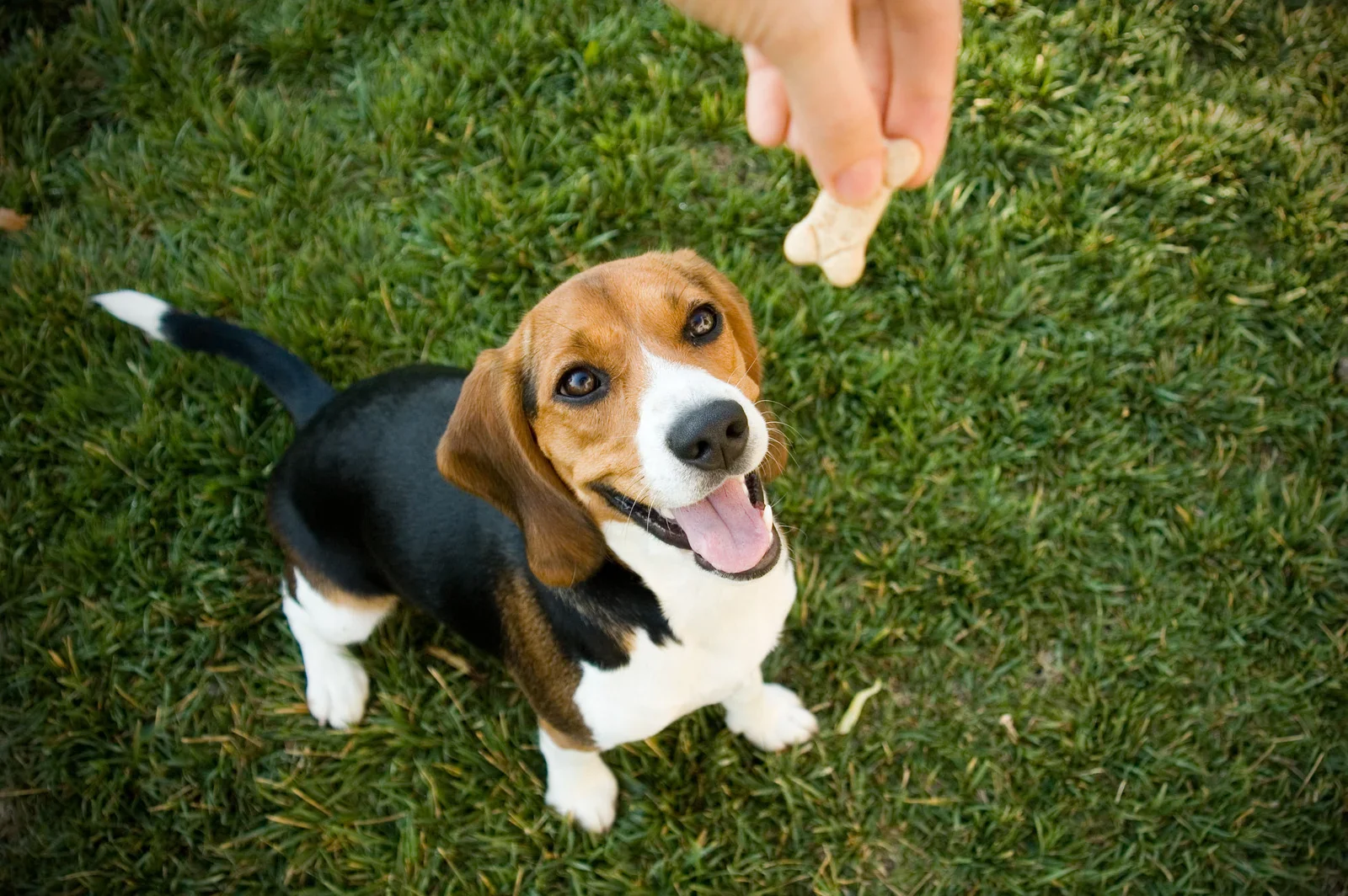
Dog training relies on clear communication, consistency, and motivation. While verbal praise and physical affection play an important role, treats remain one of the most effective tools for reinforcing desired behaviors—especially during early learning stages. Understanding how and why treats work in training can help dog owners and trainers use them more effectively without creating dependency or bad habits.
Why Treats Are Effective Training Tools
At the core of modern dog training is positive reinforcement, a method that rewards behaviors you want repeated. When a dog associates a specific action—such as sitting, staying, or coming when called—with a reward, that behavior is more likely to happen again.
Treats are particularly effective because they provide:
- Immediate feedback that dogs can quickly understand
- High motivation, especially for food-driven dogs
- Consistency, allowing trainers to reinforce behaviors precisely
Unlike toys or praise, treats can be delivered quickly and consumed in seconds, which helps dogs connect the reward directly to the behavior being taught.
What Makes a Treat Good for Training?
Not all treats are equally effective for training purposes. Training sessions often involve repeated rewards, so the type of treat used matters more than many owners realize.
Key characteristics of effective training treats include:
Small Size
Training treats should be small enough that dogs can eat them quickly without interrupting the flow of training. Large treats can slow sessions and reduce focus.
Soft Texture
Soft treats are easier to chew and swallow, keeping a dog’s attention on the next command rather than on chewing.
Strong Aroma
Smell is one of a dog’s most powerful senses. Treats with a noticeable scent tend to hold attention better, especially in distracting environments.
Simple Ingredients
Short ingredient lists and recognizable components are generally preferred, particularly for dogs with sensitivities or allergies.
Because training often involves dozens of repetitions, many trainers recommend using purpose-made training dog treats designed specifically for frequent reinforcement rather than standard snacks meant for occasional use.
Timing Matters More Than Quantity
One of the most overlooked aspects of treat-based training is timing. A reward should be given immediately after the desired behavior occurs—ideally within one to two seconds. Delayed rewards can confuse dogs and weaken the association between the action and the reward.
For example, if a dog sits on command but receives a treat several seconds later, it may not clearly understand which behavior earned the reward. Pairing treats with a verbal marker such as “yes” or a clicker can help bridge that timing gap and improve learning speed.
Treats Are a Teaching Tool, Not a Bribe
A common concern among dog owners is that using treats will cause a dog to only obey when food is visible. This usually happens when treats are used as a bribe rather than a reward.
To avoid this:
- Ask for the behavior before showing the treat
- Keep treats hidden until after the command is followed
- Gradually reduce treat frequency once behaviors are learned
As training progresses, treats can be phased out in favor of praise, toys, or intermittent rewards, ensuring the dog responds reliably even without food present.
Adjusting Treat Use as Training Advances
Treat-based training is most intensive during the learning phase. Once a dog understands a command, trainers often move to variable reinforcement, rewarding behaviors unpredictably rather than every time.
This approach:
- Strengthens long-term reliability
- Prevents over-reliance on treats
- Keeps dogs engaged and attentive
At this stage, treats become one of several tools rather than the primary motivator.
Final Thoughts
Treats play a foundational role in effective dog training when used thoughtfully. Choosing the right type of treat, delivering it with proper timing, and transitioning away from constant rewards all contribute to long-term success. When treats are treated as a teaching aid rather than a shortcut, they help create clear communication, stronger learning, and more confident dogs.
Used correctly, treats don’t just motivate behavior—they help build trust and understanding between dogs and their handlers.