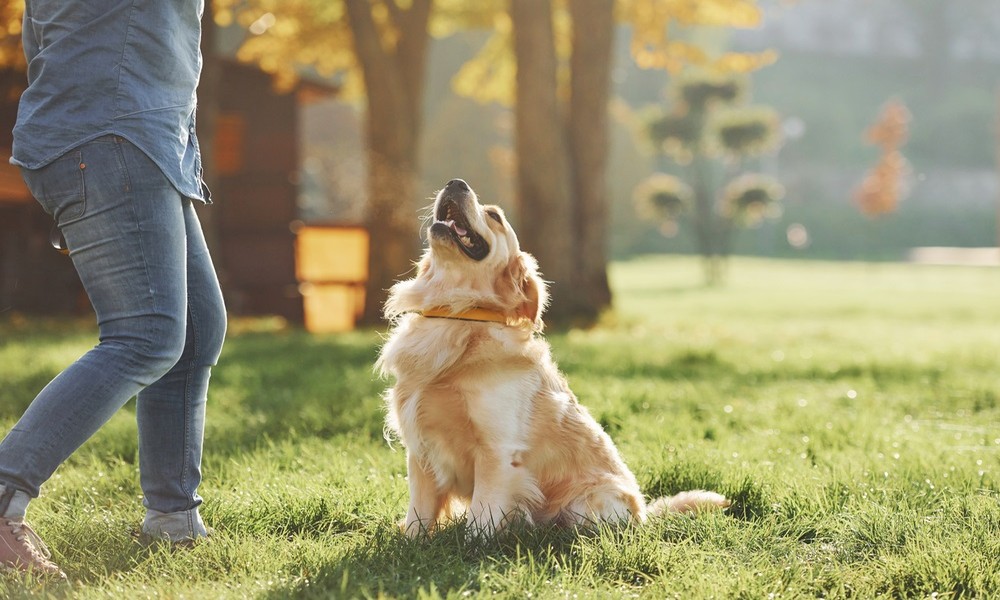
A reliable protection dog is not simply a large animal with a strong bark. The real test is whether the dog can make sound decisions under pressure, remain stable around ordinary family life, and respond to guidance without hesitation or confusion. Many people assume protection ability is mainly about power, but experienced handlers know reliability starts with judgement and control. A dog that reacts dramatically to every unfamiliar sound or stranger may look impressive for a moment, yet it is often unsuitable for serious work in a home environment.
That distinction matters because people are increasingly interested in dogs that can live safely with children, visitors, neighbours and everyday activity while still offering genuine security. In practice, dependable protection work is less about aggression and more about balance. The best dogs switch cleanly between calm domestic behaviour and active defence when a real threat appears. This is why trainers place such importance on temperament, nerve and trainability before they consider appearance or breed reputation.
A professional dog trainer from TotalK9 advises that owners should focus on stability and control before anything else, because the best personal protection dogs are defined by judgement, not by constant intensity. In his view, the most trustworthy dogs are those that can remain composed in routine situations, read human guidance correctly and respond only when the moment truly requires it.
Rank 1: Nerve Stability Comes First
If a professional trainer had to place one trait above all others, nerve stability would almost certainly take the top position. This quality describes how well a dog handles pressure, uncertainty and sudden change without becoming frantic, fearful or unpredictable. A stable dog does not crumble when faced with noise, unusual movement or close contact from unfamiliar people. Just as importantly, it does not overreact to routine disturbances that are part of normal family life. Vacuum cleaners, delivery drivers, visitors at the gate, children running indoors and raised voices during a football match should not trigger inappropriate defensive behaviour.
Nerve stability is what allows a protection dog to assess rather than merely react. A dog with poor nerves may bark, lunge or shut down because it feels overwhelmed, not because it is deliberately protecting anyone. That difference is critical. Fear-driven responses create risk, especially in homes where daily life is busy and unpredictable. A reliable protection dog must be able to absorb stimulation, remain clear-headed and wait for a genuine reason to act.
This is also the trait that supports all the others. Training can improve obedience, fitness and handling skills, but weak nerves are difficult to disguise for long. Under enough pressure, instability tends to surface. Trainers therefore look closely at how dogs recover from surprises, how they behave on strange surfaces, and whether they remain engaged with the handler in unfamiliar places. A dog that stays composed in those conditions is far more likely to become a trustworthy guardian than one that simply shows excitement or boldness in controlled demonstrations.
Rank 2: Trainability and Willingness to Take Direction
The second key trait is trainability, which is often misunderstood as basic obedience. In reality, professional trainers use the term more broadly. A truly trainable dog does not just know commands; it actively processes guidance, adapts to new expectations and remains mentally available even when distracted. This matters enormously in protection work because situations can change quickly. A dog may need to move from watching quietly at a doorway to standing down immediately once the handler has identified no threat. That kind of precision depends on cooperation, not stubborn intensity.
Trainability is closely tied to the dog’s relationship with its handler. The most reliable dogs want to work with people and find direction rewarding. They do not constantly challenge boundaries or drift into self-appointed decision-making. That does not mean they are soft or lacking in drive. It means they can channel drive into a controlled framework. For families, this is essential. A dog living in a household must accept structure from more than one person and understand that calm compliance is as important as active defence.
This is where many impressive-looking dogs fall short. Some animals are physically capable and highly alert, but they are hard to redirect once aroused. Others perform well in predictable training patterns but lose clarity when something unexpected interrupts the routine. A professional trainer ranks trainability so highly because it determines whether the dog’s natural ability can be turned into safe, practical behaviour. In the home, reliability depends on the handler being able to stop, guide and settle the dog at the exact moment required. Without that, protection becomes guesswork rather than control.
Rank 3: Social Discrimination and Environmental Awareness
The third trait is social discrimination, a quality that separates a serious protection dog from a generally suspicious one. Social discrimination means the dog can distinguish between ordinary human behaviour and conduct that signals real danger. It should be able to ignore harmless interaction while remaining alert to changes in tone, posture, movement and intent. This is a more advanced skill than simply reacting to strangers. Most families do not need a dog that treats every unfamiliar person as a threat. They need one that can live in society without creating problems while still providing a genuine layer of security.
This trait is especially important in British settings, where close housing, public footpaths, regular deliveries and frequent visitors are part of daily life. A dog that cannot interpret context accurately will be difficult to manage and may become a liability. Social discrimination allows the animal to remain neutral when a friend enters the house, when a tradesperson works on the property or when children bring classmates home. At the same time, it helps the dog register conduct that breaks normal patterns, such as threatening approach, forced entry or deliberate intimidation.
Environmental awareness works alongside this ability. A reliable dog notices detail without becoming overloaded by it. It can move through town centres, car parks, training grounds and rural lanes without losing judgement. Dogs that are unsettled by crowds, bicycles, traffic or awkward spaces may appear protective when they are actually just stressed. Trainers therefore value dogs that read both people and surroundings with clarity. This is one reason interest in personal protection dogs has become more nuanced. Buyers increasingly ask not only whether a dog can protect, but whether it can do so while remaining socially dependable in the real world.
Rank 4: Physical Resilience Without Needless Excess
Strength and athleticism matter, but they rank fourth because they only become useful when the higher traits are already in place. Physical resilience refers to the dog’s overall soundness, stamina, coordination and ability to work without breaking down under pressure. A reliable protection dog needs enough power to be credible, enough endurance to stay effective during stress, and enough agility to move confidently in different spaces. Yet professionals are usually less interested in exaggerated size or dramatic appearance than the public expects. Oversized dogs can be slower, less flexible and harder to manage within ordinary homes and vehicles.
Physical resilience also includes recovery from exertion and the ability to maintain function across time. A dog that tires quickly, overheats easily or struggles on uneven ground may look formidable but offer limited practical value. Good trainers therefore assess balance, gait, joint soundness and general health as carefully as temperament. The aim is not to produce a dog that can perform a single intense display, but one that can remain capable and steady through training, travel, household life and occasional defensive work.
The point is not that every protection dog must resemble a sports machine. It is that the body must match the demands placed upon it. This is particularly relevant for families, because the dog’s role is usually broader than security alone. It may accompany owners on walks, settle indoors for long periods and move between active and quiet settings throughout the day. Reliable dogs handle those transitions well. Excessive bulk, poor conditioning or structural weakness can undermine that versatility and make the animal less safe, less comfortable and less dependable overall.
Rank 5: Recovery, Off-Switch and Emotional Control
The fifth trait may be the most undervalued by first-time buyers: the ability to switch off and recover quickly after stimulation. Emotional control is what keeps a protection dog usable in ordinary life. A dog may be brave, obedient and physically capable, but if it remains highly aroused long after an incident or training exercise has ended, it becomes hard to live with and harder to trust. Professional trainers place enormous value on dogs that can engage when needed and then return to a settled state within a reasonable time.
Recovery shows whether the dog is operating from clarity or simply being driven by stress and adrenaline. After a challenging scenario, a reliable dog should be able to reorient to the handler, take instruction, and resume calm behaviour without prolonged agitation. This matters in households because life rarely pauses after a disturbance. Children still need moving through the house, doors still need answering, and the owner still needs to make decisions. A dog that remains reactive or frantic after pressure adds confusion at exactly the moment when steadiness is most needed.
The off-switch also protects the dog itself. Constant arousal is physically and mentally wearing, and over time it can damage behaviour, health and household harmony. Trainers therefore see calmness not as the opposite of protection, but as proof of maturity. The best protection dogs rest properly, observe without fuss and conserve energy until something meaningful occurs. That controlled rhythm is what makes them credible guardians rather than difficult pets with sharp reactions. In practical terms, a dog that can disengage cleanly is often safer and more effective than one that seems permanently ready for conflict.
What the Ranking Means for Families Choosing a Dog
Taken together, these five traits form a useful framework for anyone considering a protection dog for home life. Nerve stability sits at the top because without it the rest cannot be trusted. Trainability follows because even a capable dog must be guided accurately. Social discrimination comes next, ensuring that the dog can tell the difference between everyday activity and genuine threat. Physical resilience supports the work, while emotional control ensures the dog remains manageable before, during and after pressure. That order reflects professional priorities rather than popular assumptions, and it explains why the best dogs are often less dramatic than people expect.
For families, the main lesson is that reliability should always outrank image. Breed names, size and internet clips can be persuasive, but they reveal little about daily suitability. The right dog is one that can live safely within the rhythms of the household, respond clearly to handling and remain stable across a wide range of situations. This is why reputable trainers spend so much time assessing temperament and behaviour before discussing advanced work. A dependable protection dog is not defined by constant suspicion or intensity. It is defined by composure, discrimination and control. In the end, those qualities provide the kind of security most households actually need: calm confidence backed by genuine capability.