

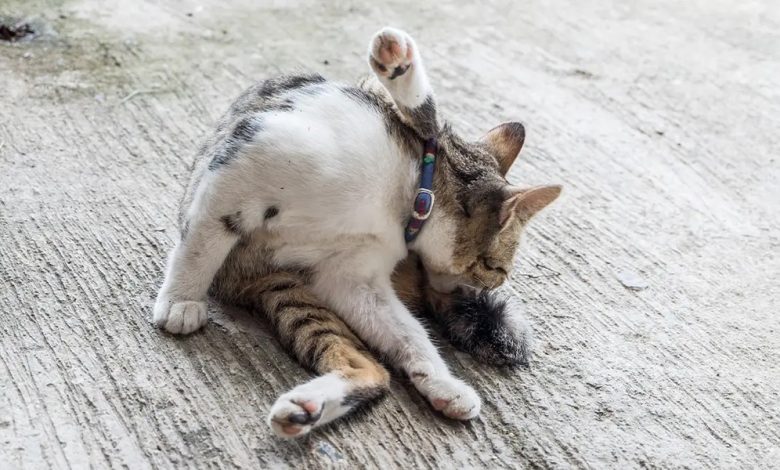
Caring for a cat urinary system is important. Keeping cats hydrated is easy with cat urinary health care (貓咪泌尿保健) routine.
Cat urinary tract infections
Cat urinary tract infections happen for several reasons. It includes:
- dehydration
- poor diet
- stress
- bacterial growth
Cats have low thirst drives. They do not drink enough water that leads to concentrated urine. It is the reason why crystals or bacteria form.
Foods high in minerals can contribute to crystal formation. Stress is another factor, especially in:
- indoor cats
- cats living in multi-pet households
You can take early preventive steps by knowing the causes. Examine how your cats eat and their body condition through:
- diet
- hydration
Hydration in preventing infections
Water intake factors in cat’s urinary health. The cat’s urine is diluted when they drink enough water. Drinking enough water has a big health impact on cats, such as:
- reducing the risk of crystal formation
- preventing bacterial growth
Wet cat food is a practical option. It contains high moisture content. Cats are hydrated if encouraged to drink. Using a water fountain can make them interested in drinking more.
Proper hydration makes the urinary system flushed, to reduce infection risk to cats.
Cat food for urinary health
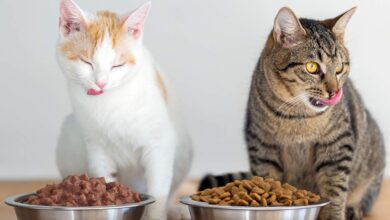
A cat food for urinary health maintains the right pH balance in urine. It controls the mineral levels to prevent crystal formation. Look for formulas labeled for urinary care. These products are made to support bladder function.
The foods include balanced levels of:
- magnesium
- phosphorus
- calcium
Some contain ingredients that reduce inflammation.
For example:
A urinary support dry kibble with controlled magnesium levels reduces the formation of struvite crystals in cats.
The right food prevents urinary problems by managing:
- mineral content
- urine pH
Managing stress to support urinary health
Stress can trigger urinary issues in cats, including:
- inflammation
- infections
Stress levels can increase during:
- changes in environment
- new pets
- lack of stimulation
Cats are sensitive. You must provide a calm environment. A calm environment means:
- fresh litter boxes
- regular feeding times
- safe resting spaces
Encourage fresh litter boxes
Cats are sensitive in their litter boxes. You must ensure that they use it anytime they want.
For example:
A cat approaches the litter box and smells it. You will notice that they stay away from it. There could be reasons why it happened. They avoid using their little box if it is:
- dirty
- placed in a noisy area
This can lead to:
- urinary retention
- risk of infection
Keep the litter boxes neat.
For example:
Placing three litter boxes in quiet areas can:
- encourage regular urination
- reduce urinary problems
Proper litter box management promotes consistent urination and prevents urinary buildup.
Monitoring early signs of urinary problems
Early detection monitors early signs of a urinary problem. You can watch for signs, such as:
- frequent urination
- straining
- blood in urine
- urinates outside the litter box
The symptoms indicate:
- Infection
- Blockage
You must consult a veterinarian when you notice those signs. A delayed treatment causes serious complications.
An immediate treatment prevents worsening the conditions by recognizing early symptoms.
FAQs
How often to feed urinary health cat food?
Feeding a urinary health cat food depends on the cat’s needs. Many cats benefit from daily feeding of specific formulas for urinary conditions.
Is wet food a better option?
Wet food is better to feed cats. It encourages hydration
Does stress lead to urinary infections?
Stress cannot cause urinary infections. However, it contributes to conditions that increase risk.
How much water does a cat drink daily?
Cats should consume enough water. A light colored urine is produced. It indicates no risk of urinary infection.
What are the signs that need to consult a veterinarian?
You should see a veterinarian when suspecting urinary infections. Some signs show urinary issues, such as:
You can support the cat’s urinary health and prevent infections by focusing on: