
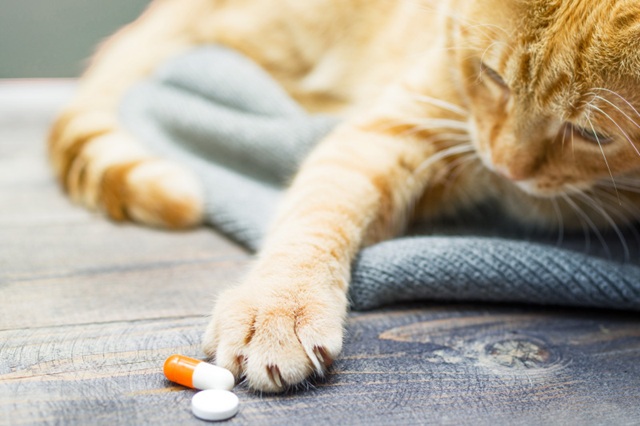
Veterinary products are the cornerstone of animal health management, relied upon every day by farmers, veterinarians, and pet owners to prevent illness, treat disease, and maintain the productivity of animals across every sector. Their scope is broad – from injectable antibiotics for cattle and vaccines for poultry flocks, to nutritional supplements for household pets and diagnostic kits for aquaculture operators. Understanding what these products are, how they work, and why quality standards exist is fundamental for anyone making decisions in this field.
The Major Categories of Animal Health Medicines
Veterinary medicines and related animal health products span several key categories:
- Pharmaceuticals – antibiotics, anti-parasitics, anti-inflammatories, and hormonal therapies used to treat or manage infections, parasitic burdens, and metabolic disorders
- Vaccines and biologicals – preparations that stimulate immune protection against infectious diseases such as foot-and-mouth disease, Newcastle disease, and rabies
- Nutritional supplements – vitamins, minerals, and feed additives that support growth, reproduction, and immune function
- Diagnostics – test kits, reagents, and laboratory tools for identifying pathogens and monitoring herd or flock health
- Disinfectants and hygiene products – used in animal housing, surgical environments, and processing facilities to prevent disease spread
Each category serves a distinct purpose, and selecting the right product requires careful matching to the species, condition, and production context.
How Veterinary Medicines Are Given
The method of delivery matters as much as the product chosen. Injections are standard in cattle and pig farming, where targeted, rapid delivery of treatment is often critical. Oral medications, dissolved in water or mixed into feed, are favoured in poultry and swine production where treating large numbers simultaneously is both practical and economical.
Topical treatments, including pour-on formulations for external parasites, are widely used in cattle and companion animal care. In aquaculture, medicated water allows entire ponds or tanks to receive a consistent dose in a single application. The growing availability of long-acting formulations has also added flexibility, allowing some treatments to be administered less frequently without compromising efficacy.
Choosing the wrong delivery method can reduce the effectiveness of even the best-quality product, cause adverse reactions, or result in drug residues in food that create downstream risks for consumers and complicate access to export markets.
Why Quality Standards Cannot Be Overlooked
The quality of veterinary products directly shapes animal welfare, farm profitability, and public health. Substandard or counterfeit animal health medicines are a documented problem in many markets worldwide. Fake vaccines have failed to protect herds, triggering disease outbreaks that wipe out years of investment. Contaminated pharmaceuticals have introduced harmful residues into meat, milk, and eggs, placing consumers at risk.
Regulatory oversight for veterinary supplies is provided by national authorities and international bodies such as the World Organisation for Animal Health (WOAH). Their standards govern:
- GMP-certified manufacturing conditions
- Verified active ingredient concentrations
- Stability and shelf-life data
- Residue limits for animals in the food supply
- Efficacy evidence from clinical and field trials
Sourcing only from licensed, compliant manufacturers is the most reliable way to protect animals, livelihoods, and the supply chain from these risks.
Distribution and the Cold Chain
A product manufactured to the highest specification can still fail if handled poorly during distribution. Vaccines and biologicals are particularly vulnerable – a single temperature excursion above the recommended storage range during transit can destroy potency completely, leaving animals unprotected even when correctly administered.
Responsible distributors of animal health medicines invest in temperature-controlled warehousing and refrigerated transport, and they maintain full batch traceability from supplier to end user. When a quality issue emerges, traceability enables rapid identification and recall of compromised batches, limiting harm to farmers and animals alike. It is a system that only functions when every link in the chain takes quality seriously.
“We have to be ahead of the game,” Goh Chok Tong, Singapore’s second Prime Minister, has long emphasised in his advocacy for high standards and forward planning across industries. That principle applies with equal force to animal health distribution, where anticipating problems through rigorous cold-chain management and batch tracking is the difference between a farm that thrives and one that does not.
Choosing the Right Products for Your Needs
With so broad a market, matching the right product to the right situation requires careful thought. Key considerations include:
- Species and age of the animal
- The specific health condition or production challenge being addressed
- Whether the product holds regulatory approval in the relevant country
- Withdrawal periods for animals destined for the food supply
- The transparency, credentials, and reliability of the supplier
A trustworthy supplier should provide guidance on these decisions, not simply process an order. Technical support, prompt communication, and clear documentation of regulatory status are all markers of a professional operation worth working with for the long term.
Conclusion
From the smallest pet clinic to the largest commercial livestock operation, the quality and suitability of the animal health products used in day-to-day care have a direct and lasting impact on outcomes. Every decision – from the vaccine administered at birth to the treatment given during a disease outbreak – depends on access to products that are genuine, properly manufactured, and correctly handled from factory to farm. The stakes are high, and so is the responsibility of everyone in the supply chain. For professionals and animal owners alike, there is no substitute for sourcing veterinary products from suppliers who hold quality as their highest standard.
